
UI/UX Design
We craft clear, accessible and effective experiences that serve your business goals. We start from real usage, validate assumptions through research and prototyping, and equip execution with coherent, documented design systems.
We start from the user and the context
We first understand users, their tasks and constraints: interviews, field observation, journey analysis and existing data. We clarify jobs‑to‑be‑done, key moments and pain points. This factual basis guides trade‑offs and avoids building in the dark. We map the ecosystem (personas, empathy maps, experience maps) to align product, design and engineering on a shared view of the problem.
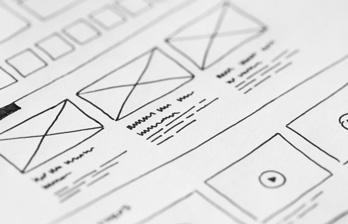
We use lightweight, actionable artefacts: user stories, acceptance criteria, scenarios and wireflows. Rapid prototyping validates information architecture and screen flows early. We test assumptions with target users to reduce risk before development. Field feedback comes first; we seek evidence of use rather than theoretical perfection.
We design readable, inclusive interfaces
Clarity first: clear visual hierarchy, sufficient contrast, coherent typography and stable spacing rules. Accessibility (WCAG) is integrated from the start: correct semantics, visible focus, text alternatives, non‑exclusive gestures, tested colors. We reduce cognitive load by limiting unnecessary variation and clarifying affordances. Micro‑interactions are crafted to reassure and guide.
Each component is reusable and documented: states, behaviors, composition principles. We formalize a living design system (tokens, components, patterns) shared with engineering. Result: more speed, fewer errors, a consistent experience throughout the product. Handoffs aren’t files thrown over a wall: we co‑work across sprints and answer implementation questions quickly.
We aim for impact, not deliverables
Success isn’t measured by the number of screens but by delivered value. We define concrete objectives (activation, conversion, retention, task time, satisfaction) and instrument journeys to measure the effect of changes. We favor incremental, learning releases that allow early correction. Design decisions are tracked, reasoned and reversible to avoid dead ends.
We enable teams to sustain design over time: maintained libraries, understandable guidelines, usage examples and cross‑reviews. Aesthetics is not a final coat of paint: it’s a tool for comprehension, trust and performance.
- Onboarding redesign to reduce time-to-value and clarify activation.
- Accessible design system shared across web and mobile.
- Recurring user tests to iterate on a payment flow.
- Personas, key journeys and experience maps.
- Tested prototypes, scenarios and wireflows.
- Documented design system (tokens, components, guidelines).